• What Is Taiwanese Oolong Tea? A Complete Beginner’s Guide
    Taiwanese Tea 101 Beginner Friendly

    What Is Taiwanese Oolong Tea? A Complete Beginner’s Guide

    By Tayno Tea Masters • Reading Time: 7 mins • Updated: July 2026
    Traditional Taiwanese oolong tea pearls expanding in a white ceramic gaiwan
    Authentic Taiwanese oolong tea unfurls into full, aromatic leaves over multiple steeping infusions.

    If you have ever tried a cup of true Taiwanese oolong tea, you already know it is nothing like the bitter, flat liquid that often comes out of a dusty grocery store tea bag.

    Instead, a cup of high mountain Taiwanese oolong offers an aromatic journey—ranging from fresh spring orchids and creamy butter to roasted peaches and sweet honey. Yet, for many beginners in the English-speaking world, stepping into the world of loose-leaf oolong can feel overwhelming. With terms like gongfu brewing, oxidation levels, and high mountain cultivars, where do you even start?

    In this comprehensive beginner’s guide, we will demystify Taiwanese oolong tea. You will learn what makes it unique, where it comes from, how it tastes, and how you can brew a cafe-quality cup right in your kitchen—no fancy ceremony required.

    ⚡

    Quick Summary: Why Taiwanese Oolong Is Special

    • It’s semi-oxidized: Sitting right between unoxidized green tea and fully oxidized black tea, offering the refreshing aroma of green tea with the smooth depth of black tea.
    • Terroir and elevation: Taiwan’s steep mountain ranges, subtropical cloud cover, and rich soil create the perfect environment for slow-growing, naturally sweet tea leaves.
    • Artisanal craftsmanship: Taiwanese oolongs are famous for their tightly rolled, semi-ball shapes that unfurl beautifully over multiple steepings.
    • Beginner-friendly: Unlike sensitive green teas that easily turn astringent and bitter if steeped a few seconds too long, quality Taiwanese oolongs are remarkably forgiving.

    1. What Exactly Is Oolong Tea?

    All true tea—whether white, green, oolong, or black—comes from the exact same plant: Camellia sinensis. The difference between these tea types lies almost entirely in oxidation (how much the leaves are exposed to oxygen after harvest) and processing techniques.

    🍵 Green Tea
    0% – 10% Oxidized
    ➔ 🌿 Oolong Tea
    15% – 80% Oxidized
    ➔ ☕ Black Tea
    100% Oxidized

    Because oolong tea spans such a wide oxidation spectrum (from roughly 15% to 80%), it is the most diverse tea category in the world. A lightly oxidized oolong can taste floral, creamy, and crisp like a green tea, while a heavily roasted or oxidized oolong can taste dark, woody, and honeyed like a fine black tea.

    2. Why Is Taiwan the World Capital of Premium Oolong?

    While oolong tea originated in mainland China (specifically the Wuyi Mountains and Anxi in Fujian province), Taiwan has spent the last two centuries evolving and refining the art of oolong production into an absolute obsession. Today, Taiwan is globally recognized as the premier destination for high-end oolongs due to distinct island terroir and masterful craftsmanship:

    🏔️ Island Terroir & High Altitude

    Taiwan’s high-altitude tea gardens (Alishan, Lishan, Shanlinxi sitting between 1,000 and 2,600 meters above sea level) experience intense morning sun and thick afternoon fog. This slows leaf growth and concentrates amino acids and natural sweetness within the leaf.

    🤲 The “Semi-Ball” Roll Technique

    Taiwanese artisans perfected the arduous process of wrapping and rolling whole leaves into tight pearls. This protects aromatic oils during storage and allows leaves to be steeped 5 to 8 times without losing flavor.

    3. Top Taiwanese Oolong Varieties for Beginners

    If you are buying your first Taiwanese loose-leaf tea, start with these four classic styles:

    Tea Variety Oxidation Level Taste Notes & Aroma Best For
    High Mountain Oolong (Gaoshan) Light (15-25%) Spring orchids, fresh pine, buttery and sweet aftertaste Green tea lovers wanting zero bitterness
    Dong Ding Oolong Medium (30-40% + Roasted) Warm toasted nuts, caramel, baked grains, smooth body Coffee drinkers seeking rich, comforting depth
    Oriental Beauty (Bai Hao) Heavy (60-80%) Ripe muscatel grapes, wildflower honey, amber sweetness Black tea fans who love fruity, complex notes
    Jin Xuan (Milk Oolong) Light (20%) Natural milky creaminess, sweet sweet-corn, floral finish Complete beginners seeking a silky, approachable brew

    4. How to Brew Your First Cup (Simple Western Method)

    You do not need a traditional clay teapot or a Chinese tea ceremony set to make great oolong at home. Here is how to brew a perfect cup using any standard ceramic mug or infuser:

    1

    Water Temperature

    Use off-boiling water between 195°F – 205°F (90°C – 96°C). Never use boiling water directly on very light, green-style oolongs.

    2

    Tea-to-Water Ratio

    Use 1 tablespoon (about 3–4 grams) of tightly rolled oolong pearls per 8 ounces (240 ml) of water.

    3

    The First Infusion

    Pour hot water over the leaves and steep for exactly 3 minutes.

    4

    Re-Steep (Don’t Throw Leaves Away!)

    Add fresh hot water and steep for 3.5 to 4 minutes for a second and third delicious cup. Many tea masters prefer the second steep!

    5. Frequently Asked Questions (FAQ)

    Is oolong tea good for beginners?

    Yes, absolutely. Because of its semi-oxidized nature and careful craftsmanship, quality Taiwanese oolong is much less bitter and astringent than typical green teas, making it one of the most forgiving and flavorful teas for beginners.

    Can I drink oolong tea every day?

    Yes! In Taiwan, oolong is consumed daily as a hydrating, soothing beverage alongside meals, during work, or during afternoon relaxation. It offers gentle caffeine (30-50mg per cup) with sustained energy and no crash.

    Free Instant Download

    Get Our Printable Brewing Cheat Sheet

    Never ruin a cup of premium oolong again. Keep our handy reference chart in your kitchen for exact water temperatures, leaf ratios, and steeping times.

    Download Cheat Sheet →
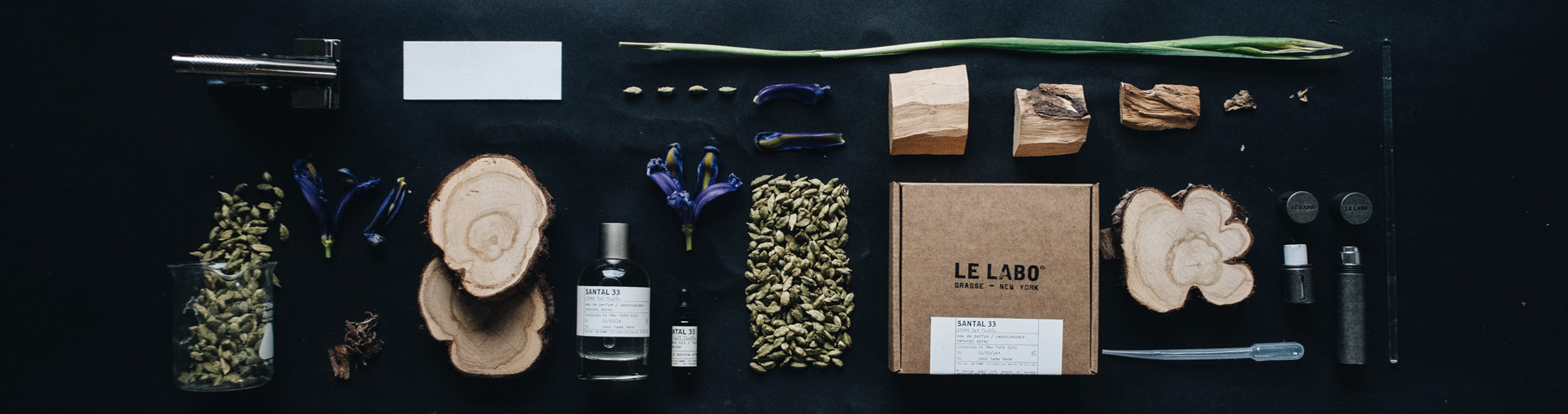
  • Le Labo Santal 33 評測,推薦給喜歡木質香水的你

    Santal 33 是LE LABO的一款經典之作,自推出以來便以其獨特的木質皮革香調風靡全球。在這篇評測中,我們將從品牌背景、香調解析,到使用體驗、購買建議等全方位剖析,幫助你決定是否值得入手這款備受推崇的香水。

    Santal 33 誕生故事

    Santal 33 的誕生靈感源自美國西部的廣闊荒野、牛仔文化,以及皮革與檀木的原始氣息。Le Labo 最初在 2006 年推出 10 款香水時,並未包含 Santal 33;這款香水原本是作為蠟燭的香味,後來才轉化為個人香水。

    靈感來源(美國西部、皮革、檀木)

    靈感主要來自美國西部的大草原、皮革鞍具和檀香木的煙燻味。調香師希望捕捉那種在營火邊的溫暖與自由感,讓使用者感受到一種「舊西部新生活」的對比。這種靈感不僅體現在香調上,還反映在品牌對「慢工出細活」的堅持。

    推出年份與調香師

    Santal 33 於 2011 年正式推出,由知名調香師 Frank Voelkl 操刀。他以精湛的技藝將傳統木質調與現代元素融合,讓這款香水成為 Le Labo 的暢銷代表作。

    Santal 33 屬於很經典的木質調香水,以檀香為核心,層層疊加出豐富的變化。根據官方描述,這款香水融合了澳洲檀香木、雪松木,以及辣味、皮革和麝香元素,創造出獨特的成癮感。

    前調:檀香、紙張、紫羅蘭

    前調以檀香的木質為主,伴隨著紙張般的乾澀和紫羅蘭花香。這部分給人一種清新卻略帶煙燻的開場,彷彿翻開一本舊書的感覺,雖聽說有人會聞到小黃瓜味,但整體是舒適的木質基調。

    中調:小荳蔻、鳶尾根

    中調,小豆蔻的辣味逐漸浮現,帶來微微的辛辣與溫暖,鳶尾根則增添粉質般的柔軟。這階段香氣開始轉向更複雜的層次,皮革元素隱隱出現,讓香水從清新轉為性感、沉穩。

    後調:皮革、麝香、木質香

    後調是 Santal 33 的靈魂所在,皮革的煙燻味與麝香的動物性融合,木質香(如雪松)提供持久的基底。這部分香氣濃郁持久,散發出低調的奢華感。

    香味變化過程(開場、中段、尾韻的情緒感受)

    開場時,前調帶來自由奔放的木質風味,讓人感覺輕鬆而新鮮;中段轉為溫暖辣味,喚起成熟的自信;尾韻則是沉穩的木質調皮革,給人低調奢華的情緒慰藉。整體變化如一場旅程,從荒野到都市。

    男女通用的香氣平衡點

    作為中性香水,Santal 33 的平衡點在於木質與花香的融合。男性可感受到木質的沉穩,女性則欣賞紫羅蘭的柔美。它不偏向任何性別,適合追求中性風格的人。

    Santal 33 的表現力在中上水準,適合日常使用。

    留香時間(皮膚約 6–8 小時,衣物更久)

    在皮膚上,留香約 6-8 小時,視體溫而定;噴在衣物上可持續一整天,甚至隔日仍有餘香。許多用戶反饋其持久度優異,可達 10-12 小時。

    擴散力(前期明顯,中後段較為貼膚)

    前期擴散力強烈,可達臂展範圍,充滿存在感;中後段轉為貼膚,變得親密而不張揚。適合不喜歡過度強烈的場合。

    適合四季與溫度的搭配

    最佳適合秋冬,木質調在寒冷中更顯溫暖;春天可穿,夏天則需謹慎,避免高溫放大皮革味。整體四季通用,但低溫下表現最佳。

    適合喜歡木質、皮革調的人

    如果你熱愛木質或皮革香調,這款香水會是你的最愛。它不甜膩,強調自然與原始。

    適合場合(辦公室、約會、秋冬穿搭)

    辦公室:低調不擾人;約會:增添神秘魅力;秋冬穿搭:搭配毛衣或皮衣,完美融合。

    個性與香氣契合分析(成熟沉穩、低調奢華)

    這款香水契合成熟沉穩的個性,象徵低調奢華的生活態度。適合 25 歲以上、注重內涵的都市人。

    Santal 33 屬高價位小眾香水,性價比因人而異。

    台灣/國際售價區間(含 50ml、100ml)

    國際售價:50ml 約 USD 240(約 NT$7,500),100ml 約 USD 340(約 NT$10,500)。台灣專櫃:50ml 約 NT$8,000-9,000,100ml 約 NT$11,000-12,000。

    專櫃、免稅店、平行輸入價格差異

    專櫃最貴,提供新鮮調製服務;免稅店可便宜 10-20%;平行輸入更低,但需注意真偽。

    試香與購買建議(避免盲買、先試小樣)

    強烈建議避免盲買,先在專櫃試香或買小樣(1.5ml 約 NT$500)。Le Labo 提供樣本服務,確保適合你的皮膚化學反應。

    Santal 33 以檀香為主,下面比較兩款類似木質香。

    與 Diptyque Tam Dao 的檀香對比

    Tam Dao 更creamy、純檀香,無 Santal 33 的皮革煙燻;前者更清新,後者更複雜。Tam Dao 適合追求簡單檀香的人。

    與 Byredo Super Cedar 的木質香對比

    Super Cedar 更輕盈、雪松主導,帶玫瑰觸感;Santal 33 則有皮革深度。Super Cedar 適合春天,Santal 33 更全能。

    價格、留香、香氣層次比較表

    項目 Le Labo Santal 33 Diptyque Tam Dao Byredo Super Cedar
    價格 (50ml) USD 240 USD 200 USD 220
    留香時間 6-8 小時 5-7 小時 4-6 小時
    香氣層次 複雜 (木質+皮革) 簡單 (純檀香) 輕盈 (雪松+花香)

    Le Labo Santal 33 適合夏天嗎?

    不最佳,高溫可能放大皮革味,但少噴可試。建議秋冬優先。

    男女用會不會太中性?

    它的中性是主要魅力;女性可層疊花香,男性直接用。

    怎麼分辨真偽?

    檢查包裝(手工標籤)、氣味(無酒精刺鼻)、購買渠道(官網或專櫃)。

    適合日常噴還是特別場合?

    兩者皆宜,日常少噴,特別場合多層。

    Santal 33 是小眾香水的標杆,融合了粗獷與精緻。

    個人評分(香氣、留香、擴散力、性價比)

    香氣:9/10(獨特成癮);留香:8/10(持久可靠);擴散力:7/10(適中不擾);性價比:6/10(高價但值得)。

    推薦給哪些人

    推薦給喜歡木質皮革調、追求個性的成熟人士,尤其是都市白領或香水愛好者。

  • 【2025 ETF 推薦】懶人投資首選,高股息ETF與指數型ETF比較

    ETF 一直是許多懶人投資者的首選,因為它提供被動投資的便利性,能輕鬆分散風險並追蹤市場表現。近年,無論是台股高股息型還是海外美股型,都吸引大量資金流入。本指南將從 ETF 類型、費用比較到風險解析,幫助您做出明智選擇,讓 ETF 投資成為您的財富成長工具。

    ETF 的定義(簡單易懂)

    ETF(Exchange Traded Fund,交易所買賣基金)是一種在證券交易所交易的投資基金,類似股票般買賣。它追蹤特定指數、產業或資產,讓投資人能以低成本參與廣泛市場,而非單一股票。

    ETF 與共同基金、個股的差別

    相較共同基金,ETF 的費用較低,且交易更靈活,可即時買賣而非每日淨值結算。與個股不同,ETF 提供分散投資,降低單一公司風險,但報酬率也較平穩,不像個股可能暴漲暴跌。

    全球與台灣 ETF 市場的發展趨勢

    全球 ETF 資產規模已超過 10 兆美元,2025 年預計持續成長,主題型 ETF(如 AI、乾淨能源、高股息)熱門。台灣市場則從 2020 年的 2 兆台幣成長至 2025 年的逾 5 兆台幣,台股 ETF 佔比高達 70%,高股息型產品特別受青睞,受惠於低利率環境與退休規劃需求。

    常見誤解(例如:ETF 一定安全?)

    許多人誤以為 ETF 一定安全,但它仍受市場波動影響,並非零風險。另一誤解是 ETF 總是優於個股,實際上取決於市場環境;此外,追蹤誤差可能導致表現不如預期。

    1.標的類型(股票型、債券型、商品型、多元資產型)

    股票型 ETF 追蹤股市,適合追求成長型的人購買;債券型提供穩定收益,風險較低;商品型(如黃金)可以做到對沖通膨;多元資產型則混合多類,以平衡風險為主要賣點。

    2.追蹤指數(加權股價指數、高股息、科技指數等)

    選擇知名指數如台灣加權指數(TAIEX)或 S&P 500,能確保透明度。高股息指數適合收入型投資,科技指數則瞄準成長潛力。

    3.費用率(管理費+保管費的差別與影響)

    費用率是年化管理費與保管費總和,通常 0.1%~1%。低費用率(如 0.2%)長期能節省成本,每年影響報酬 0.5% 以上,選擇時優先低於 0.5% 的產品。

    4.流動性(成交量與買賣價差)

    高流動性 ETF 成交量大,買賣價差小(bid-ask spread <0.1%),避免滑價風險。台灣市場中,資金規模逾千億的 ETF 通常流動性佳。

    根據最新市場資料,台灣熱門 ETF 以資金規模排序如下表所示。這些產品涵蓋台股高股息型、科技型,以及海外美股與債券型,提供多元選擇。資料來源為台灣證交所(TWSE)與基金公司官網,截至 2025 年 7 月。

    ETF 代號名稱標的類型資金規模 (億台幣)年化費用率 (%)近一年報酬率 (%)
    0056元大台灣高股息台股高股息型約 6,8390.3015.2
    00878國泰永續高股息台股高股息型約 44800.355.6
    00919群益台灣精選高息台股高股息型約 40340.404.5
    0050元大台灣 50台股科技型約 6,8390.3225.6
    00929復華台灣科技優息台股科技型約 1,5790.321.8
    00646元大 S&P 500海外美股型約 3230.4512.5
    VOO(美股)Vanguard S&P 500 ETF海外美股型約 22,872 (換算台幣0.0315.1
    00679B元大美國政府 20 年債海外債券型約 23740.255.4

    這些 ETF 依資金規模排序,顯示市場偏好高股息與科技類型,報酬率受全球經濟影響。

    配息穩定 vs 資本增值

    高股息 ETF 注重定期配息,提供穩定現金流;成長型(如科技 ETF)則聚焦資本增值,透過股價上漲獲利,配息較少。

    適合的投資族群(年齡、風險承受度)

    高股息適合中高齡或低風險族群,如退休者追求穩定收入;成長型適合年輕人或高風險承受者,長期持有以複利成長。

    各類型的優缺點分析

    高股息優點:配息穩定、防禦性強;缺點:成長潛力有限,受利率影響。成長型優點:高報酬潛力;缺點:波動大,短期虧損風險高。

    美股大型指數 ETF(SPY、VOO)

    SPY(SPDR S&P 500 ETF)與 VOO 追蹤美國 500 大企業,2025 年受益 AI 與科技股,費用低、流動性高。

    新興市場 ETF

    如 Vanguard FTSE Emerging Markets ETF(VWO),涵蓋中國、印度等,成長潛力大,但匯率與地緣風險高。

    主題型(AI、清潔能源)ETF

    AI 型如 Global X Robotics & AI ETF(BOTZ),清潔能源如 iShares Global Clean Energy ETF(ICLN),2025 年受綠能政策推動,適合趨勢投資。

    市場風險、匯率風險

    ETF 隨市場波動,可能虧損;海外 ETF 另有匯率風險,如台幣升值影響美股 ETF 報酬。

    配息不等於報酬

    配息來自基金資產,可能侵蝕本金;總報酬應計入股價變化,而非僅看配息率。

    追蹤誤差與槓桿風險

    追蹤誤差導致 ETF 表現不如指數;槓桿型 ETF 放大波動,適合短期,不宜長期持有。

    不當集中單一產業的問題

    過度集中(如科技 ETF)易受產業衰退影響,建議分散至多類型。

    1. 了解自身投資目標:確定是追求收入、成長或保本,評估風險承受度。
    2. 設定投資金額與週期:從小額開始,如每月定投 1 萬元,避免一次性投入。
    3. 選擇合適的券商或平台:如富邦、元大證券或複委託平台,比較手續費與便利性。
    4. 定期檢視投資組合:每季檢查表現,調整分配以維持平衡。

    ETF 並非零風險,但適合分散投資的懶人策略,能降低個股波動。建議先從低費用、追蹤知名指數的產品開始,如台灣 50 或 S&P 500 ETF,長期持有以獲益。

    ETF 推薦有哪些?

    2025 年台灣熱門 ETF 包括高股息型如 0056、00878,以及科技型如 0050、00929。選擇時依個人目標,優先低費用產品。

    ETF 配息會被扣稅嗎?

    是的,台灣 ETF 配息需扣 10% 稅金(國內居民),海外 ETF 可能有額外稅務;建議使用免稅帳戶如 IRA 減輕負擔。

    ETF 和股票哪個好?

    ETF 適合新手,提供分散與低成本;股票則允許精選高報酬,但風險更高。依風險偏好選擇,許多人混合使用。